
Language
Understanding Expressive and
Receptive Language
Expressive and receptive language are two important parts of how we communicate with others
Receptive and Expressive Language Skills
Receptive – understanding language, e.g., understanding specific vocabulary, understanding and answering questions, understanding concepts, following instructions, and conversations.
Expressive – using language, e.g., using the right words and forming correct sentences to convey messages, sharing thoughts and ideas, teling stories, participating in conversations, and writing sentences.
When children have difficulties with expressive language, they might struggle to express themselves clearly or have trouble finding the right words to use. They might have trouble forming sentences or organising their thoughts when they talk. This can make it difficult to engage in conversations with others.
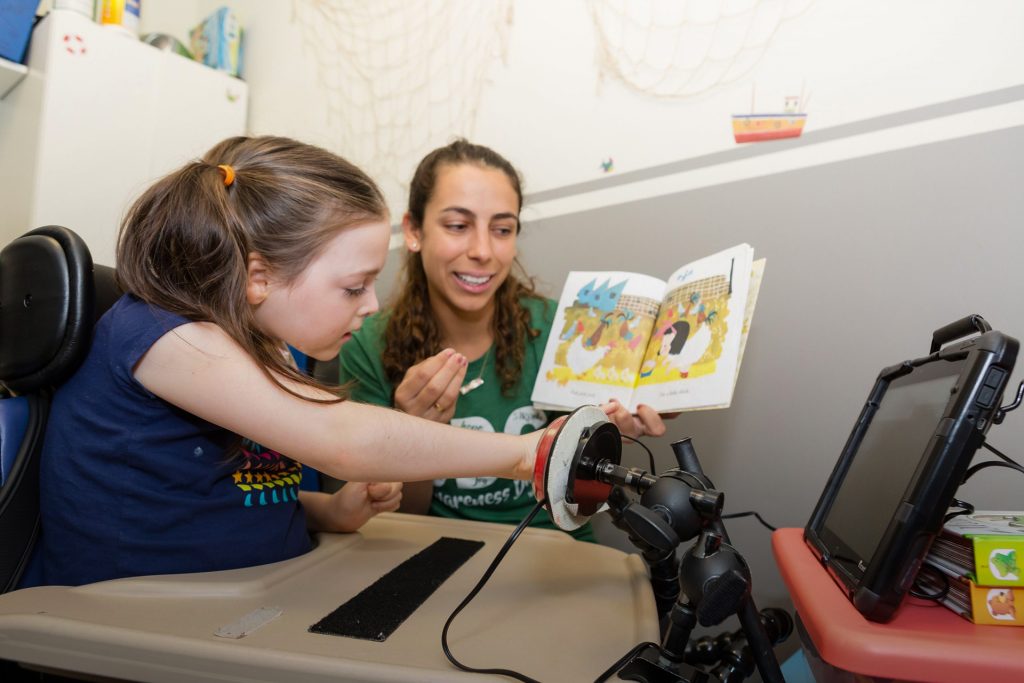
Helping Children Understand Express, and Connect
On the other hand, when children have difficulties with receptive language, they might have trouble understanding what others say to them. They might struggle to follow directions, answer questions, or understand stories or conversations.
These difficulties with expressive and receptive language can impact a child’s communication in different ways. They might have trouble making friends, participating in class, or expressing their needs and wants. It’s important to provide support and resources to help children develop their expressive and receptive language skills so they can communicate effectively with others.